On Trust and Critical Thinking
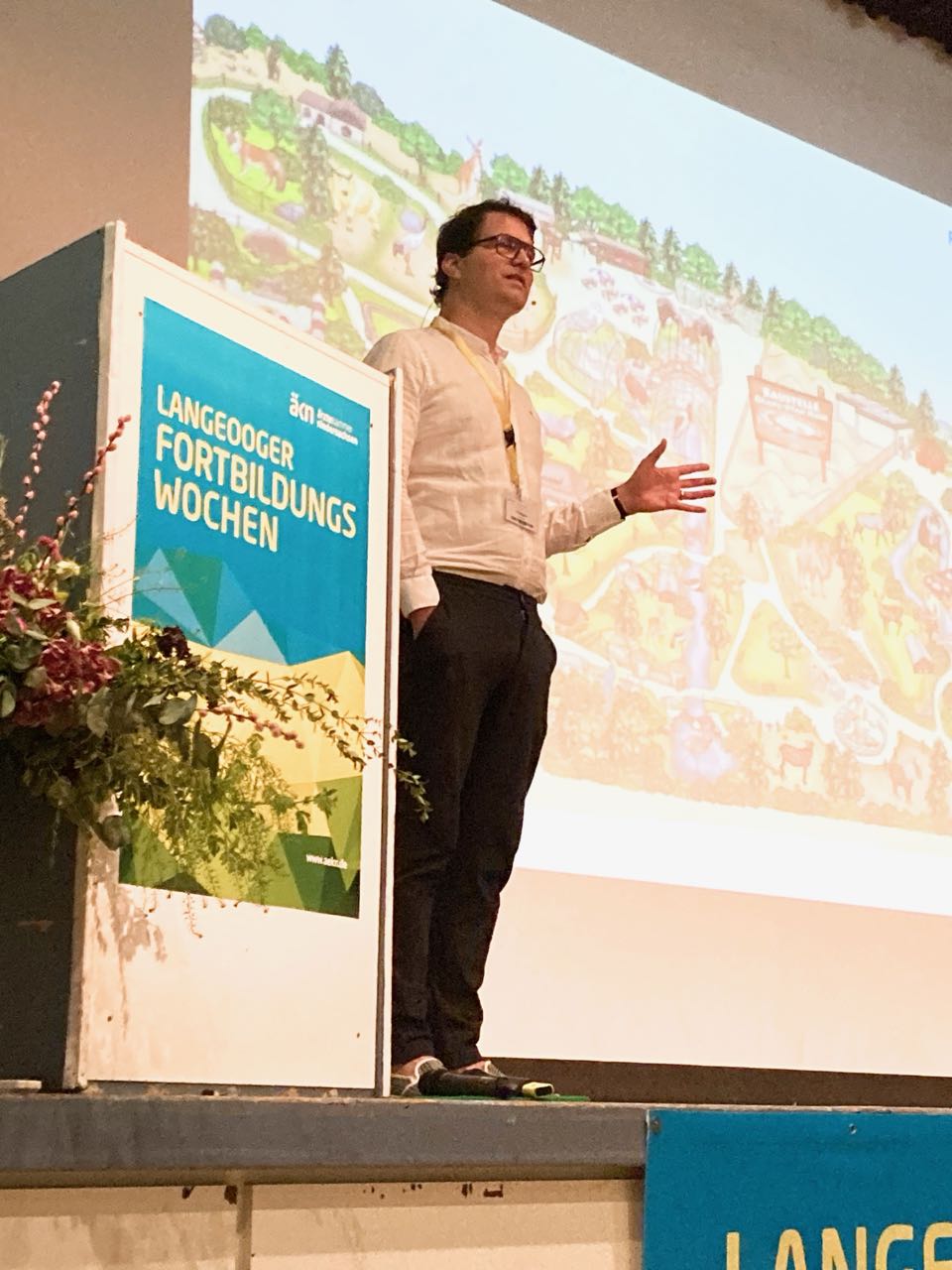
Recently, I had a conversation that left a lasting impression on me. It took place at a conference where I had just finished presenting my talk. A retired professor of educational psychology approached me. His alert eyes and the way he leaned in intently indicated that my speech had touched a chord with him.
I had critiqued businesses that exploit fear to drive change, and it seemed to have struck a nerve with the professor.
He shared that he had spent his life attempting to incorporate principles of positive psychology into society. However, his voice conveyed deep sadness as he expressed his concerns about the rising tide of fear-mongering and the fascist undertones often accompanying it: “Some of the values we hold dear, which we fought for and believed we had secured, are no longer guaranteed.”
His statement has stayed with me and continues to occupy my thoughts.
In an era where artificial intelligence has become increasingly prevalent, we are confronted with sophisticated tools that excel at manipulating us. Algorithms on social media platforms are designed to reinforce our existing beliefs and biases, creating echo chambers that polarize and divide us further. These manipulative tactics, often driven by propaganda that feeds on fear and division, erode trust in democratic institutions and risk undermining the very foundations of our society.
In times of crisis, people naturally seek simple solutions. They may be drawn to those who offer certainty, even if it’s misguided or manipulative. This inclination can be exploited by leaders and organizations to gain power and control.
As a society, we need to shift our focus towards promoting constructive, critical thinking and cultivating trust in our everyday interactions. In his book “Think Again,” organizational psychologist Adam Grant argues that the willingness to reconsider our beliefs and ideas is crucial to adapt to changing circumstances and to avoid being manipulated. Critical thinking can serve as a shield against the divisive rhetoric that exploits fear and undermines trust. By embracing a mindset of continuous learning and reevaluation, we can resist the temptations of easy answers and cultivate a culture of trust and critical thinking.
The professor’s words serve as a stark reminder of this. We must resist the temptations of easy answers and cultivate a culture of trust and critical thinking, for there’s simply too much at stake.
There’s no need to point fingers at the US, where Trump’s approval ratings are rising despite, or perhaps because of, the unprecedented indictments. Here in Germany, we have our own issues with “German Angst” and far too many potential voters for the AFD. The need to resist manipulation and fear-mongering begins at our own front door, if not within our own homes.